Introduction: Where Ancient Faith Meets Himalayan Forest
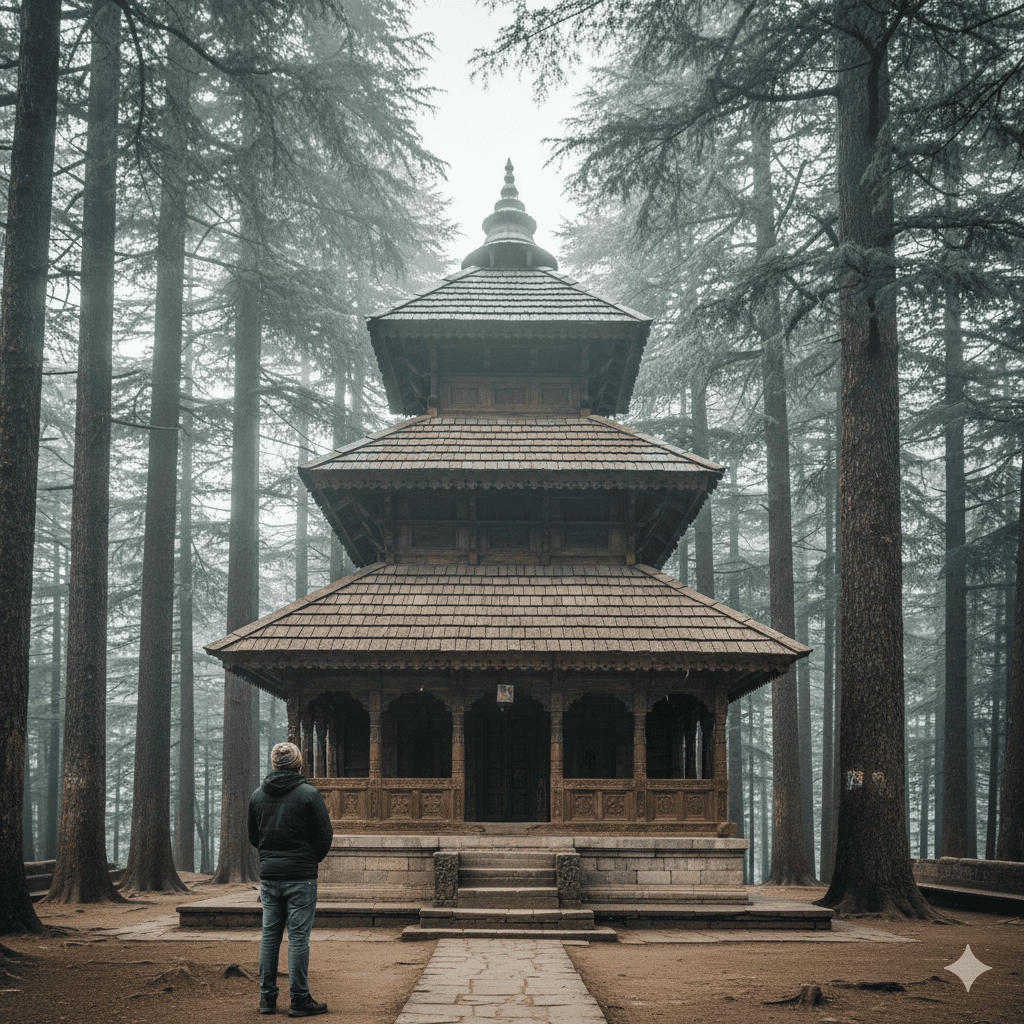
Hadimba Devi Temple—where ancient faith meets Himalayan forest, where spirituality intertwines with nature, where the scent of cedar mingles with incense, where 500-year-old pagoda-style architecture stands as testament to devotion and craftsmanship. Located in the heart of Manali, surrounded by towering deodar trees in the sacred Van Vihar forest, this unique temple isn't just a religious site—it's a sanctuary where peace feels tangible, where silence speaks volumes, where the divine presence is as palpable as the mountain breeze.
Whether you've just experienced the serene atmosphere inside this cave temple dedicated to Hadimba Devi (also known as Hidimba Devi), marveled at its distinctive four-tiered pagoda roof covered in intricately carved wooden panels, walked the forest paths surrounding the shrine feeling centuries of devotion, or simply sat in quiet contemplation among the ancient deodars—you've experienced something that transcends typical tourist attractions.
As a travel content creator who has documented India's spiritual sites extensively, I can confidently say that Hadimba Devi Temple demands more than generic religious captions. This isn't a grand monument built by emperors—it's an intimate shrine built in 1553 CE by Maharaja Bahadur Singh, constructed using traditional Himalayan architecture without nails, dedicated to a goddess from the Mahabharata epic, and maintained as a living temple where devotion continues daily.
The temple's unique character—its cave shrine, its forest setting, its architectural distinctiveness, its mythological significance, its peaceful energy—requires captions that honor multiple dimensions: spiritual depth, natural beauty, architectural uniqueness, cultural heritage, and the personal transformation many visitors experience.
This comprehensive guide provides over 300 carefully crafted Instagram captions specifically for Hadimba Devi Temple, along with complete context about what makes this temple special, how to visit respectfully, what to photograph ethically, and how to create meaningful spiritual content.
What This Guide Includes:
• The legend of Hadimba Devi and Mahabharata connection
• Architectural significance and construction history
• 300+ captions across multiple categories
• Spiritual photography ethics
• Cultural protocols for temple visits
• Seasonal visiting insights
• Forest ecology and conservation
• Comparison with other Himalayan temples
• Creating authentic spiritual content
• Common misconceptions corrected
Caption Categories:
• Best Hadimba Devi Temple Captions (spiritual & contemplative)
• Short Captions (for minimalist posts)
• Architectural & Heritage Captions
• Nature & Forest Integration Captions
• Spiritual Journey & Transformation Captions
• Photography & Visual Aesthetic Captions
• Cultural & Historical Context Captions
• First-Time Visitor Captions
• Return Visitor Captions
• Couple & Family Visit Captions
• Solo Spiritual Journey Captions
• Seasonal Captions (summer/winter/monsoon)
Perfect for Instagram posts, Stories, Reels, and any content celebrating this unique convergence of faith, nature, architecture, and peace.
Let's explore this sacred forest temple through words that honor its distinctive character.
Understanding Hadimba Devi Temple: Legend, History, and Significance
The Mahabharata Legend
Before exploring captions, understanding the temple's mythological and historical significance will help you create more meaningful, informed content.
The Story of Hadimba:According to the Mahabharata, when the five Pandava brothers and their mother Kunti were in exile, they arrived in the region now known as Manali. A powerful rakshasa (demon) named Hidimba lived here with his sister Hadimba (Hidimba). When Hidimba saw Bhima (the second Pandava, known for his enormous strength), she fell in love with him.
Unlike her brother who wanted to kill the Pandavas, Hadimba helped them. After Bhima killed Hidimba in battle, he married Hadimba, and they had a son named Ghatotkacha, who later played a crucial role in the Kurukshetra war.
After Bhima and the Pandavas continued their exile, Hadimba remained in the region, performing deep meditation (tapasya) and eventually attaining divine status. The local people began worshipping her as a goddess—protector, mother figure, and divine presence.
Why This Matters:
• Hadimba is not a traditional Hindu deity from the Vedic pantheon
• She represents transformation (from rakshasi to goddess through devotion)
• She's a regional deity with deep local cultural significance
• Her story challenges simple good/evil binaries in mythology
• The temple celebrates a female deity with agency in her own story
Architectural Uniqueness
Construction Details:
Built in 1553 CE by Maharaja Bahadur Singh, the temple represents distinctive Himalayan pagoda-style architecture:
Structure:
• Four-tiered pagoda roof (typical of Himachal temples)
• Built using "kath-kuni" architecture (interlocking wooden beams, no nails)
• Deodar wood construction (cedar indigenous to Himalayas)
• Stone base with wooden superstructure
• Entrance is a cave (garbhagriha/sanctum)
Artistic Elements:
• Intricately carved wooden panels on doors and walls
• Depictions of goddesses, animals, and floral motifs
• Brass door with goddess's image
• Traditional Himachali craftsmanship
Cave Temple: Unlike most Hindu temples, the actual shrine is a natural cave with a rock carved into the shape of Hadimba Devi. The goddess is represented by the stone itself, not an idol—making this a unique form of worship.
Forest Integration: The temple was deliberately built within the sacred Van Vihar (Cedar Forest), creating intentional integration between architecture and nature. The deodars surrounding the temple are considered sacred, and the entire forest grove functions as the temple's extended sacred space.
Religious and Cultural Significance
Local Deity Status:
In Himachal Pradesh, Hadimba Devi is one of the most important deities:
• Kullu Dussehra festival honors her
• Local residents seek her blessings for important decisions
• She's considered protective goddess of the valley
• Many local festivals involve rituals at this temple
Unique Worship Practices:
• Animal sacrifice was traditionally practiced (now largely discontinued)
• Local rituals differ from mainstream Hindu practices
• Festival celebrations are community-focused
• The goddess is addressed in local Kullu dialect
Cultural Integration: The temple represents synthesis of:
• Tribal/indigenous beliefs (pre-Hindu traditions)
• Puranic mythology (Mahabharata connection)
• Local Himachali culture
• Nature worship traditions
Why This Context Matters for Your Content
When you understand that:
• This temple celebrates a non-traditional deity with complex origins
• The architecture represents 500-year-old techniques still standing
• The forest setting is intentional, not incidental
• Local cultural practices here differ from mainstream Hinduism
• The goddess story involves transformation and female agency
...your captions naturally gain depth, nuance, and respect. You're not just a tourist at a "temple in the forest"—you're witnessing a unique convergence of mythology, architecture, ecology, and lived faith that continues after 500 years.
Best Hadimba Devi Temple Captions for Instagram
Spiritual and Contemplative
These comprehensive captions work for posts capturing the temple's spiritual atmosphere, its peaceful energy, and the contemplative experience it offers.
50 Best Hadimba Devi Temple Captions
1. "Peace feels real at Hadimba Devi Temple—not the absence of sound, but the presence of something ancient, sacred, and deeply calming."
2. "Where faith meets forest vibes—500-year-old devotion standing tall among towering deodars, nature and spirituality inseparable."
3. "Calm mind, pure soul, Manali mood—Hadimba Devi Temple teaches that serenity isn't found, it's felt when you're present."
4. "Hadimba Devi Temple: silence that heals—the kind of quiet that speaks to your soul, answers questions you didn't know you had."
5. "Spiritual moments in the lap of nature—where cedar trees stand as witnesses to centuries of prayers, devotion, transformation."
6. "Finding peace among deodar trees at Hadimba Devi Temple—discovering that sacred spaces don't need grandeur when they have authenticity."
7. "A place where time slows down—500 years old yet timeless, ancient yet alive, traditional yet transformative."
8. "Divine energy in every corner of Hadimba Devi Temple—in the carved wood, the sacred cave, the forest air, the devotees' faith."
9. "Hadimba Devi Temple isn't just visited—it's experienced with all senses, felt with the heart, remembered with the soul."
10. "In this forest temple, I learned that spirituality doesn't require noise, grandeur, or crowds—just sincere presence."
11. "The cave shrine of Hadimba Devi: where mythology becomes reality, where rocks hold prayers, where faith transcends time."
12. "Surrounded by ancient deodars at Hadimba Devi Temple—reminded that some things endure: trees, faith, devotion, peace."
13. "This temple taught me that sacred spaces can be intimate, that divinity lives in forests, that peace grows among trees."
14. "Hadimba Devi Temple: where architectural beauty meets spiritual depth, where craftsmanship serves devotion, where art honors faith."
15. "Walking the forest paths around Hadimba Devi Temple—understanding that the entire grove is sacred, not just the structure."
16. "The pagoda-style roof pointing skyward, the cave shrine going earthward—Hadimba Devi Temple bridges heaven and earth."
17. "In the presence of Hadimba Devi, feeling the power of female divinity—protector, mother, transformer, warrior."
18. "This 500-year-old wooden temple stands without nails—held together by devotion, craftsmanship, and faith stronger than metal."
19. "Hadimba Devi Temple proves that sacred architecture doesn't need gold or marble—just authentic devotion and skilled hands."
20. "The forest around Hadimba Devi Temple isn't decoration—it's integral to the sacred space, part of the worship experience."
21. "Standing where Bhima stood in Mahabharata era—mythological connection felt across millennia at Hadimba Devi Temple."
22. "The carved wooden panels tell stories—goddesses, animals, flowers—art as prayer, decoration as devotion."
23. "Hadimba Devi Temple: where silence isn't empty, where stillness isn't passive, where peace is powerfully present."
24. "In this cave temple, feeling the weight and lightness of 500 years of prayers—accumulated blessings in sacred stone."
25. "The deodars surrounding Hadimba Devi Temple are as sacred as the structure—nature and divinity merged perfectly."
26. "This temple doesn't demand your attention—it invites your presence, welcomes your peace, honors your seeking."
27. "Hadimba Devi Temple taught me that transformation is possible—the goddess's story, the visitors' experiences, all evidence."
28. "Walking through Van Vihar to Hadimba Devi Temple—the journey itself becomes meditation, preparation for the sacred."
29. "The brass door of Hadimba Devi Temple: threshold between ordinary and sacred, worldly and divine, noise and peace."
30. "In this forest temple, understanding that some goddesses choose mountains over marble, forests over fortresses."
31. "Hadimba Devi Temple: where devotion doesn't shout, where faith whispers through cedar branches, where peace simply exists."
32. "The cave shrine holds not an idol but a rock representing the goddess—pure, unpretentious, powerfully present."
33. "Surrounded by prayer flags and ancient trees—Hadimba Devi Temple blends traditions, honors nature, celebrates faith."
34. "This temple survived 500 years through earthquakes, weather, time—devotion is the strongest architecture."
35. "Hadimba Devi Temple: where tourists become pilgrims, where skeptics become quiet, where everyone finds something."
36. "The four-tiered roof reaching toward sky—architectural aspiration meeting spiritual elevation at Hadimba Devi Temple."
37. "In this sacred grove, learning that temples don't need walls when they have trees, don't need gates when they have peace."
38. "Hadimba Devi Temple proves that intimacy is sacred—small shrine, deep impact, personal connection, universal peace."
39. "The goddess who transformed from rakshasi to divine—Hadimba's story teaches that change, growth, transcendence are possible."
40. "Walking among deodars that were young when this temple was built—humbled by time, nature, devotion's endurance."
41. "Hadimba Devi Temple: where every element has meaning—wood for warmth, cave for origins, forest for life."
42. "In this temple, feeling that spirituality isn't about understanding—it's about experiencing, feeling, surrendering to peace."
43. "The carved entrance of Hadimba Devi Temple: where artistry serves divinity, where beauty honors faith."
44. "This cave temple reminds us that divinity can be found in rocks, trees, silence—not just in elaborate structures."
45. "Hadimba Devi Temple: where mythology lives, where architecture speaks, where nature prays, where visitors transform."
46. "The temple bell's sound echoing through forest—momentary disturbance of silence that somehow deepens the peace."
47. "In this sacred grove, understanding that some places are temples because they feel sacred, not because they're declared sacred."
48. "Hadimba Devi Temple taught me that female divinity has many forms—warrior, mother, protector, transformer."
49. "The wooden temple aging gracefully—weathered but standing, old but alive, ancient but relevant at Hadimba Devi."
50. "Walking away from Hadimba Devi Temple carrying something invisible but real—peace, perspective, gratitude, blessing."
Short Hadimba Devi Temple Captions for Instagram
Minimalist Perfection
Short captions work beautifully for visually strong images of the temple, when the photo speaks for itself, or for Instagram Stories where brevity matters.
60 Short Hadimba Devi Temple Captions
1. "Divine vibes"
2. "Forest temple feels"
3. "Peace over everything"
4. "Spiritual calm"
5. "Manali blessings"
6. "Temple moments"
7. "Faith & nature"
8. "Inner peace"
9. "Sacred forest"
10. "Temple in trees"
11. "Deodar devotion"
12. "Hadimba blessings"
13. "Cave shrine"
14. "Forest goddess"
15. "Peaceful temple"
16. "Sacred grove"
17. "Temple serenity"
18. "Divine forest"
19. "Hadimba Devi"
20. "Spiritual Manali"
21. "Temple architecture"
22. "Forest faith"
23. "Sacred peace"
24. "Temple tranquility"
25. "Divine nature"
26. "Hadimba vibes"
27. "Forest prayers"
28. "Temple calm"
29. "Sacred space"
30. "Spiritual forest"
31. "Temple beauty"
32. "Divine peace"
33. "Forest temple"
34. "Sacred moment"
35. "Temple devotion"
36. "Peaceful grove"
37. "Hadimba energy"
38. "Forest shrine"
39. "Temple spirituality"
40. "Divine grove"
41. "Sacred temple"
42. "Forest blessings"
43. "Temple silence"
44. "Spiritual space"
45. "Divine architecture"
46. "Hadimba Temple"
47. "Forest spirituality"
48. "Temple prayer"
49. "Sacred architecture"
50. "Divine silence"
51. "Temple forest"
52. "Spiritual grove"
53. "Hadimba peace"
54. "Forest divinity"
55. "Temple nature"
56. "Sacred silence"
57. "Divine temple"
58. "Forest peace"
59. "Temple blessings"
60. "Spiritual sanctuary"
Architectural & Heritage Captions
Honoring 500 Years of Craftsmanship
The temple's distinctive architecture—pagoda-style roof, nail-free construction, intricate carvings—deserves captions that acknowledge this heritage.
40 Architectural Captions
1. "500-year-old wooden architecture standing strong—Hadimba Devi Temple proves that traditional craftsmanship outlasts modern construction."
2. "Built without a single nail in 1553—Hadimba Devi Temple's kath-kuni architecture shows that the strongest bonds aren't metal, they're craft and devotion."
3. "The four-tiered pagoda roof of Hadimba Devi Temple—distinctive Himalayan architecture pointing toward divinity, reaching toward sky."
4. "Intricately carved wooden panels telling stories—at Hadimba Devi Temple, decoration is devotion, artistry is prayer."
5. "This cave temple with pagoda roof represents unique synthesis—indigenous cave worship meets sophisticated wooden architecture."
6. "Deodar wood construction surviving five centuries—Hadimba Devi Temple shows that cedar isn't just beautiful, it's eternal when treated with reverence."
7. "The brass door at Hadimba Devi Temple entrance—where metalwork meets woodwork, where artistic traditions converge beautifully."
8. "Kath-kuni architecture: interlocking wooden beams creating earthquake-resistant structures—traditional wisdom at Hadimba Devi Temple."
9. "Every carved panel at Hadimba Devi Temple was crafted by hand—no machines, just skilled artisans and deep devotion."
10. "The pagoda-style roof unique to Himalayan temples—Hadimba Devi Temple represents architectural tradition spanning centuries."
11. "Stone base, wooden superstructure—Hadimba Devi Temple combines materials thoughtfully, each serving specific purpose."
12. "The entrance way at Hadimba Devi Temple: where architecture becomes pilgrimage, where threshold is transition, where beauty prepares the heart."
13. "Carved goddesses adorning wooden panels—at Hadimba Devi Temple, female divinity is celebrated in art and worship."
14. "Traditional Himachali craftsmanship visible in every beam—Hadimba Devi Temple is living museum of indigenous architecture."
15. "The four tiers of the pagoda roof represent spiritual progression—architectural symbolism at Hadimba Devi Temple."
16. "Weathered wood with dignity—Hadimba Devi Temple shows that aging can be graceful when foundation is strong."
17. "The cave shrine below, the wooden temple above—Hadimba Devi Temple honors both primal and sophisticated worship."
18. "Natural and constructed beauty merged—Hadimba Devi Temple doesn't compete with forest, it complements it perfectly."
19. "Architectural restraint showing spiritual confidence—Hadimba Devi Temple doesn't need to be massive to be impressive."
20. "The sloping roofs designed for heavy snowfall—practical architecture serving spiritual purpose at Hadimba Devi Temple."
21. "Traditional Himalayan architecture preserved perfectly—Hadimba Devi Temple is textbook of indigenous building techniques."
22. "The wooden temple ages like fine cedar—developing character, earning respect, growing more beautiful with Hadimba Devi Temple."
23. "Every joint, every beam tells construction story—Hadimba Devi Temple teaches that buildings can be books of traditional knowledge."
24. "Architectural humility in sacred space—Hadimba Devi Temple shows that temples need not dominate landscape to command respect."
25. "The pagoda silhouette against Himalayan sky—Hadimba Devi Temple's architectural profile is instantly recognizable, deeply distinctive."
26. "Wooden construction that breathes with seasons—Hadimba Devi Temple shows that flexibility is strength in mountain architecture."
27. "Craftsmanship that honors tradition—every element of Hadimba Devi Temple follows centuries-old building wisdom."
28. "The carved door panels: where mythology meets artistry—Hadimba Devi Temple entrance is itself a sacred text."
29. "Architecture that respects site—Hadimba Devi Temple was built among trees, not replacing them, respecting sacred grove."
30. "Five centuries of wind, rain, snow, earthquakes—yet Hadimba Devi Temple stands, proving traditional architecture's resilience."
31. "The four-tiered design creating visual rhythm—Hadimba Devi Temple architecture is both functional and beautiful."
32. "Wooden temple that will eventually return to forest—Hadimba Devi Temple architecture is part of nature's cycle, not separate."
33. "Indigenous architecture using local materials—Hadimba Devi Temple represents sustainable building before sustainability was trendy."
34. "The cave shrine preserved within structure—Hadimba Devi Temple honors original sacred site while adding architectural beauty."
35. "Himachali pagoda style in perfection—Hadimba Devi Temple exemplifies regional architectural tradition at its finest."
36. "Wooden beams interlocking like prayers—Hadimba Devi Temple construction is itself an act of devotion."
37. "Architecture that ages gracefully—Hadimba Devi Temple shows that impermanence can be beautiful, weathering can be noble."
38. "The temple bells' sound complemented by architecture—Hadimba Devi Temple design considers acoustic as well as visual aesthetics."
39. "Traditional Himalayan architecture teaching modern lessons—Hadimba Devi Temple proves old ways sometimes best ways."
40. "From foundation to finial, every element has meaning—Hadimba Devi Temple architecture is functional poetry."
Nature & Forest Integration Captions
Where Divinity Lives in Deodars
The temple's forest setting isn't incidental—it's essential to its sacred character. These captions honor that integration.
40 Nature Integration Captions
1. "Deodar trees standing as sacred sentinels—at Hadimba Devi Temple, the forest itself is temple, nature is divinity."
2. "Where temple ends and forest begins is unclear—Hadimba Devi Temple shows that sacred space extends beyond structures."
3. "The scent of cedar mixed with incense—at Hadimba Devi Temple, natural and spiritual fragrances merge."
4. "Van Vihar (Cedar Forest) holds Hadimba Devi Temple—not as intrusion but as natural extension of sacred grove."
5. "Ancient deodars witnessed temple's construction 500 years ago—still standing, still sacred, still protecting divine space."
6. "The temple bell echoing through forest—sound traveling through trees, carrying prayers to sky at Hadimba Devi."
7. "Sunlight filtering through cedar branches onto temple—natural lighting creates cathedral effect at Hadimba Devi."
8. "The forest floor carpeted with fallen needles—natural mattress for contemplation around Hadimba Devi Temple."
9. "Deodar trees as living pillars—Hadimba Devi Temple's extended architecture includes nature's columns."
10. "Bird songs as natural hymns—at Hadimba Devi Temple, forest provides soundtrack for worship."
11. "The sacred grove concept perfected—Hadimba Devi Temple shows that temples and trees aren't separate, they're symbiotic."
12. "Cedar shadows dancing on wooden walls—nature and architecture in perpetual conversation at Hadimba Devi."
13. "The forest breathes around Hadimba Devi Temple—living, growing, changing yet constant in sacred purpose."
14. "Mountain breeze through deodars creating natural music—Hadimba Devi Temple's wind chimes are the trees themselves."
15. "The temple built among trees, not instead of trees—Hadimba Devi construction respected existing sacred forest."
16. "Roots and foundations intertwined—at Hadimba Devi Temple, forest and structure share earth, space, sanctity."
17. "The green canopy above, the wooden temple below—layers of life surrounding Hadimba Devi's cave shrine."
18. "Forest as first temple, built temple as forest's heart—Hadimba Devi represents perfect sacred ecology."
19. "The quiet of deodars amplifying temple's peace—natural silence enhancing sacred silence at Hadimba Devi."
20. "Seasonal changes transforming temple's forest setting—Hadimba Devi Temple experiences nature's full cycle yearly."
21. "The path through forest preparing pilgrims—approach to Hadimba Devi Temple is itself spiritual practice."
22. "Deodar needles covering temple steps—nature's carpet welcoming devotees to Hadimba Devi."
23. "The forest preserving temple's microclimate—natural air conditioning, moisture control at Hadimba Devi."
24. "Ancient trees as witnesses to centuries of prayers—the deodars remember what stones forget at Hadimba Devi."
25. "The temple exists because of forest, forest is sacred because of temple—reciprocal sanctity at Hadimba Devi."
26. "Cedar scent as natural incense—at Hadimba Devi Temple, aromatherapy is provided by forest itself."
27. "The forest floor's biodiversity mirroring spiritual diversity—Hadimba Devi Temple welcomes all seekers."
28. "Sunbeams as natural lighting—Hadimba Devi Temple illuminated by nature's chandeliers through tree canopy."
29. "The deodars' height emphasizing temple's groundedness—vertical forest, grounded shrine at Hadimba Devi."
30. "Forest as protection, temple as heart—Hadimba Devi sits in nature's embrace, perfectly positioned."
31. "The ecological and spiritual health connected—Hadimba Devi Temple teaches that environmental care is spiritual practice."
32. "Monsoon transforming forest into mystical realm—Hadimba Devi Temple in rain becomes otherworldly."
33. "Winter snow creating white cathedral—Hadimba Devi Temple in snow shows nature's decorative genius."
34. "The forest's oxygen enriching temple's atmosphere—physical and spiritual breath intermingled at Hadimba Devi."
35. "Cedar cones scattered like natural offerings—forest provides its own prasad around Hadimba Devi Temple."
36. "The symbiosis of built and natural—Hadimba Devi Temple exemplifies architecture that honors ecosystem."
37. "Forest creatures as temple's extended community—birds, squirrels sharing sacred space at Hadimba Devi."
38. "The deodars' longevity inspiring temple preservation—nature teaching architectural lessons at Hadimba Devi."
39. "Forest canopy as natural roof—Hadimba Devi Temple has two roofs: built and grown."
40. "The sacred grove tradition continued—Hadimba Devi Temple proves ancient wisdom of forest worship still relevant."
Spiritual Journey & Transformation Captions
Personal Growth at Sacred Sites
Many visitors experience personal insights, spiritual shifts, or transformative moments at Hadimba Devi Temple. These captions capture that internal journey.
40 Transformation Captions
1. "Hadimba Devi Temple didn't just show me peace—it taught me how to find it within myself."
2. "Entered as tourist, left as pilgrim—Hadimba Devi Temple transforms those open to transformation."
3. "The goddess who transformed from rakshasi to divine—her story became my inspiration at Hadimba Devi Temple."
4. "In this forest temple, I learned that spiritual seeking doesn't require distance, just depth."
5. "Hadimba Devi Temple taught me that silence isn't absence—it's presence of something too profound for words."
6. "My spiritual journey doesn't have destination—places like Hadimba Devi Temple are waypoints, not endpoints."
7. "The cave shrine reminded me: sometimes you must go inward, downward, to find what's divine."
8. "Hadimba Devi Temple showed me that divinity isn't always grand—sometimes it's intimate, quiet, personal."
9. "Transformation happens in unexpected places—for me, it happened in a forest temple in Manali."
10. "The peace at Hadimba Devi Temple wasn't given to me—it was already within, the temple just revealed it."
11. "In this sacred grove, understanding that spiritual growth and natural growth follow same principles: patience, time, nurturing."
12. "Hadimba Devi Temple challenged my ideas about what temples should be—expanded my spiritual vocabulary."
13. "The goddess's transformation from outsider to revered deity—proof that spiritual status isn't birthright but journey."
14. "At Hadimba Devi Temple, learning that female divinity has warrior aspects, not just gentle nurturing."
15. "This cave temple taught me about going deeper—not into caves, but into own consciousness, own faith."
16. "Hadimba Devi Temple experience: entered with questions, left with different questions—evolution, not answers."
17. "The 500-year-old temple teaching contemporary lesson: what endures is what's authentic, meaningful, rooted."
18. "In forest surrounding Hadimba Devi Temple, understanding that spiritual path isn't straight—it winds, curves, still reaches."
19. "The temple's intimacy teaching that sometimes small spaces hold largest truths, quiet voices speak loudest."
20. "Hadimba Devi Temple reminded me: devotion doesn't require understanding, just sincere heart, open mind."
21. "My transformation at Hadimba Devi Temple was subtle—not dramatic revelation, but gentle shift in perspective."
22. "The carved panels depicting goddesses—Hadimba Devi Temple celebrating female divine across traditions, forms."
23. "In this sacred space, learning that temples aren't buildings—they're states of consciousness you enter."
24. "Hadimba Devi Temple taught me that spiritual tourists and genuine seekers can coexist—it's about internal posture."
25. "The goddess who chose forest over palace—Hadimba Devi Temple teaches values beyond material splendor."
26. "My spiritual journey accelerated at Hadimba Devi Temple—not because temple did something, but because I allowed something."
27. "The simple cave shrine teaching profound lesson: divinity doesn't need decoration, just recognition."
28. "At Hadimba Devi Temple, understanding that sacred spaces amplify what's already within—peace, devotion, seeking."
29. "The transformation story central to Hadimba legend—reminder that change, growth, evolution are spiritually valued."
30. "Hadimba Devi Temple showed me that spiritual experiences don't always feel dramatic—sometimes they feel like coming home."
31. "In this forest temple, learning that nature and spirituality aren't separate—they're different expressions of same sacredness."
32. "The temple's survival through centuries—metaphor for spiritual truths that endure despite changing times."
33. "Hadimba Devi Temple challenged my spiritual comfort zone—expanded my understanding of what divinity looks like."
34. "The peace I felt wasn't temple-given—temple-revealed, something I carried all along without knowing."
35. "At Hadimba Devi Temple, understanding that pilgrimage is internal journey with external expressions."
36. "The goddess representing female strength, autonomy, transformation—Hadimba Devi Temple offering model of empowered divinity."
37. "My hour at Hadimba Devi Temple affecting my year—moments of presence creating lasting impacts."
38. "The temple teaching that sacred architecture serves spiritual purpose—form following function in divine context."
39. "Hadimba Devi Temple reminded me: spiritual seeking is ongoing process, not destination to reach and check off."
40. "Left Hadimba Devi Temple carrying invisible gift—not just memory, but shifted perspective, deepened peace."
Photography & Visual Aesthetic Captions
Capturing Sacred Beauty
For posts focused on the visual beauty, photographic angles, or aesthetic dimensions of the temple.
30 Photography Captions
1. "The pagoda silhouette against Himalayan sky—Hadimba Devi Temple's architectural profile photographing beautifully from every angle."
2. "Morning light filtering through deodars onto temple—natural lighting creating cathedral effect at Hadimba Devi."
3. "The intricate wood carvings demanding close-up attention—Hadimba Devi Temple rewarding detailed observation."
4. "Forest green and temple brown—natural color palette perfected at Hadimba Devi Temple."
5. "The temple's reflection in morning dew—Hadimba Devi multiplied in nature's mirrors."
6. "Photographing Hadimba Devi Temple teaching patience—best shots come to those who wait for perfect light."
7. "The brass door gleaming in sunlight—Hadimba Devi Temple's entrance inviting visual exploration."
8. "Shadows and light playing on carved panels—Hadimba Devi Temple offering constantly changing photographic subjects."
9. "The temple framed by deodar branches—natural framing creating perfect composition at Hadimba Devi."
10. "Monsoon mist shrouding Hadimba Devi Temple—atmospheric photography at its most dramatic."
11. "Winter snow transforming temple into white wonderland—Hadimba Devi in snow is photographer's dream."
12. "The temple bells catching golden hour light—metallic surfaces reflecting sunset at Hadimba Devi."
13. "Architectural details revealed through photography—Hadimba Devi Temple rewarding those who look closely."
14. "The temple at blue hour—Hadimba Devi between day and night showing mystical beauty."
15. "Forest paths leading to temple—photographic journey creating narrative at Hadimba Devi."
16. "The carved goddesses on panels—Hadimba Devi Temple offering artistry worth documenting."
17. "Symmetry and asymmetry balanced—Hadimba Devi Temple teaching composition through architecture."
18. "The temple from below, emphasizing height—perspective shift revealing Hadimba Devi's grandeur."
19. "Devotees adding human element—Hadimba Devi Temple alive through people's presence in photos."
20. "The play of natural and architectural elements—Hadimba Devi Temple offering layered photographic opportunities."
21. "Seasonal transformations documented—Hadimba Devi Temple looking different yet same across months."
22. "The temple's weathered beauty—Hadimba Devi teaching that aging can be photogenic."
23. "Prayer flags adding color—Hadimba Devi Temple incorporating devotional decoration naturally."
24. "The cave entrance promising mystery—Hadimba Devi's inner sanctum suggesting rather than revealing."
25. "Forest textures contrasting with temple smoothness—visual interest multiplied at Hadimba Devi."
26. "The temple after rainfall—Hadimba Devi refreshed, colors deepened, beauty enhanced."
27. "Candid moments of devotion—Hadimba Devi Temple showing faith in action through photography."
28. "The temple's isolation from modern Manali—Hadimba Devi providing escape visible in photographs."
29. "Architectural details macro photography—Hadimba Devi rewarding close attention with carved beauty."
30. "The entire sacred grove as subject—Hadimba Devi Temple best understood through forest context photography."
Practical Information: Visiting Hadimba Devi Temple
Planning Your Visit
Creating great content requires actually having a meaningful visit. Here's everything you need to know.
Location and Access
Address: Hadimba Temple Road, Manali, Himachal Pradesh 175131
From Manali Mall Road:
• Distance: ~2.5 km
• Walking time: 25-30 minutes (pleasant uphill walk)
• Taxi: ₹150-300 (₹20-50 if sharing)
• Local bus: Available, ₹10-20
• Auto-rickshaw: ₹100-150
Entry and Timings:
• Entry fee: FREE (no entry charge)
• Opening hours: 8:00 AM - 6:00 PM (may vary seasonally)
• Best visiting time: Early morning (8-10 AM) for fewer crowds
• Avoid: Afternoons during peak season (very crowded)
When to Visit
By Season:
Summer (April-June):
• Temperature: 15-25°C
• Forest: Lush green
• Crowds: High (peak tourist season)
• Photography: Green temple setting
• Advantage: Pleasant weather
Monsoon (July-September):
• Temperature: 10-20°C
• Forest: Ultra-green, misty
• Crowds: Low
• Photography: Dramatic, atmospheric
• Caution: Slippery paths, leeches possible
Autumn (October-November):
• Temperature: 5-15°C
• Forest: Golden-brown hues
• Crowds: Moderate
• Photography: Autumn colors beautiful
• Advantage: Clear skies, comfortable
Winter (December-March):
• Temperature: -5 to 10°C
• Forest: Snow-covered (heavy snowfall years)
• Crowds: Low (except New Year)
• Photography: Winter wonderland
• Challenge: Very cold, snow may limit access
Best Overall: May-June and September-October (weather + accessibility + beauty)
Temple Etiquette
Dress Code:
• Modest clothing recommended
• Cover shoulders and knees
• Remove shoes before entering (mandatory)
• Socks acceptable
Photography:
• Exterior: Freely allowed
• Interior/cave shrine: Check with priests (often restricted)
• Devotees: Ask permission before photographing people
• Commercial photography: May require permission
Behavioral Guidelines:
• Speak quietly
• No smoking/alcohol
• No leather items inside (traditional restriction)
• Respect ongoing prayers/rituals
• Don't touch carved panels excessively (preservation)
What to Expect
The Temple Complex:
• Main cave temple with rock representing goddess
• Four-tiered pagoda wooden structure
• Forest paths around temple
• Small shops selling offerings
• Priests available for blessings (₹21-51 typically)
Typical Visit Duration: 30-60 minutes
• Quick visit: 20 minutes
• Thorough exploration: 1-2 hours (including forest walk)
Accessibility:
• Walking required (no vehicle access to temple)
• Slightly uphill terrain
• Not wheelchair accessible
• Elderly may find steps challenging
Safety and Health
General Safety:
• Temple area very safe
• Well-populated during daytime
• Local police presence
• Women travelers: completely safe
Health Considerations:
• Altitude: 2,050 meters (generally not problematic)
• Stay hydrated
• Sun protection (high UV at altitude)
• Comfortable walking shoes essential
Nearby Attractions
Within Walking Distance:
• Van Vihar (forest): Adjacent, free entry
• Tibetan Monastery: 1 km
• Club House Manali: 500 meters
• Mall Road: 2.5 km
Combine Your Visit:
• Morning: Hadimba Temple
• Late morning: Van Vihar walk
• Afternoon: Tibetan Monastery
• Evening: Mall Road
Photography Tips
Best Times:
• Morning: 7-9 AM (soft light, fewer crowds)
• Evening: 4-6 PM (golden hour)
• Avoid: Harsh midday sun
Equipment:
• Wide-angle lens for architecture
• Standard zoom for details
• Polarizing filter (reduces haze)
• Phone works well for most shots
Composition Ideas:
• Temple framed by trees
• Architectural details close-up
• Forest path leading to temple
• Devotees adding scale
• Carved panels macro shots
Budget Considerations
Temple Visit Costs:
• Entry: FREE
• Prasad/offerings: ₹21-101 (optional)
• Priest blessing: ₹21-51 (optional)
• Photography: FREE (exterior)
• Shoes storage: ₹10-20 (some places)
Transport to Temple:
• Walking: FREE
• Taxi from Mall Road: ₹150-300
• Auto-rickshaw: ₹100-150
• Local bus: ₹10-20
Total Budget: ₹50-500 depending on choices
Environmental Responsibility
Protect the Sacred Grove:
• No littering (carry trash with you)
• Don't damage trees or plants
• Stay on marked paths
• Don't feed wildlife
• Respect "no entry" areas
Sustainable Visiting:
• Walk when possible (reduce vehicle emissions)
• Use refillable water bottles
• Minimize plastic
• Support local economy (buy offerings from local vendors)
Creating Authentic Spiritual Content
Beyond Generic Temple Posts
Hadimba Devi Temple deserves content that goes beyond "beautiful temple" captions.
Content Ideas
Educational Content:
• Architectural explanation videos
• Mahabharata story connection
• Wood construction techniques
• Local legends and traditions
Personal Journey:
• First impressions and realizations
• Spiritual insights experienced
• Transformation stories
• Quiet moments documented
Cultural Context:
• Comparison with other Himalayan temples
• Local festivals and traditions
• Goddess worship in Himachal
• Regional architectural styles
Environmental Content:
• Sacred grove ecology
• Deodar forest importance
• Conservation efforts
• Responsible tourism
Caption Writing Tips
Do:
• Provide context (history, architecture, significance)
• Share personal experiences honestly
• Use respectful language
• Educate your audience
• Acknowledge you're learning
• Express gratitude
Don't:
• Use generic "blessed" without meaning
• Appropriate religious symbols superficially
• Make false spiritual claims
• Disrespect traditions
• Spread misinformation
• Focus only on aesthetics
Hashtag Strategy
High-Volume General: #HadimbaDeviTemple #Manali #HimachalPradesh #IndiaTravel #TempleTravel
Medium-Volume Specific: #ManaliDiaries #HimachalDiaries #IndianTemples #SpiritualIndia #HimalayanTemples
Low-Volume Niche: #HadimbaTemple #ManaliTemples #PagodaArchitecture #SacredGroves #WoodenTemples
Use: 10-15 hashtags mixing all tiers
Conclusion: Honoring Hadimba Devi Temple Through Your Content
Hadimba Devi Temple isn't just another temple to check off your Manali itinerary—it's a unique convergence of mythology, architecture, nature, and living faith that has endured for 500 years. When you create Instagram content about this sacred site, you're representing more than a beautiful structure—you're documenting a place where:
• Mahabharata mythology lives in local devotion
• 16th-century architecture still stands without nails
• Deodar forest and temple are inseparable
• Female divinity is celebrated in distinctive form
• Traditional craftsmanship is preserved
• Spiritual seeking happens daily
The 300+ captions in this guide are tools to help you share your Hadimba Devi Temple experience authentically and respectfully. But remember:
• Context enriches content. Understanding the temple's history, architecture, and significance makes your captions more meaningful.
• Respect matters. This is an active place of worship, not just a photo opportunity.
• Nature is integral. The forest isn't background—it's part of the sacred space.
• Transformation is real. Many visitors experience genuine spiritual moments here.
• Preservation is important. Your content can encourage or discourage responsible tourism.
May your visit to Hadimba Devi Temple be filled with peace, your photographs capture its unique beauty, and your captions honor its sacred significance.