Jaipur's cultural landscape is as vibrant and multifaceted as its pink-hued architecture. The city is a living embodiment of Rajasthani traditions, where centuries-old customs continue to shape contemporary life. For travelers seeking to understand the authentic soul of Jaipur beyond monuments and markets, engaging with its cultural experiences and festivals provides profound insights into the region's values, spirituality, and artistic heritage.
Jaipur Maharaja's Day (Gangaur Festival)
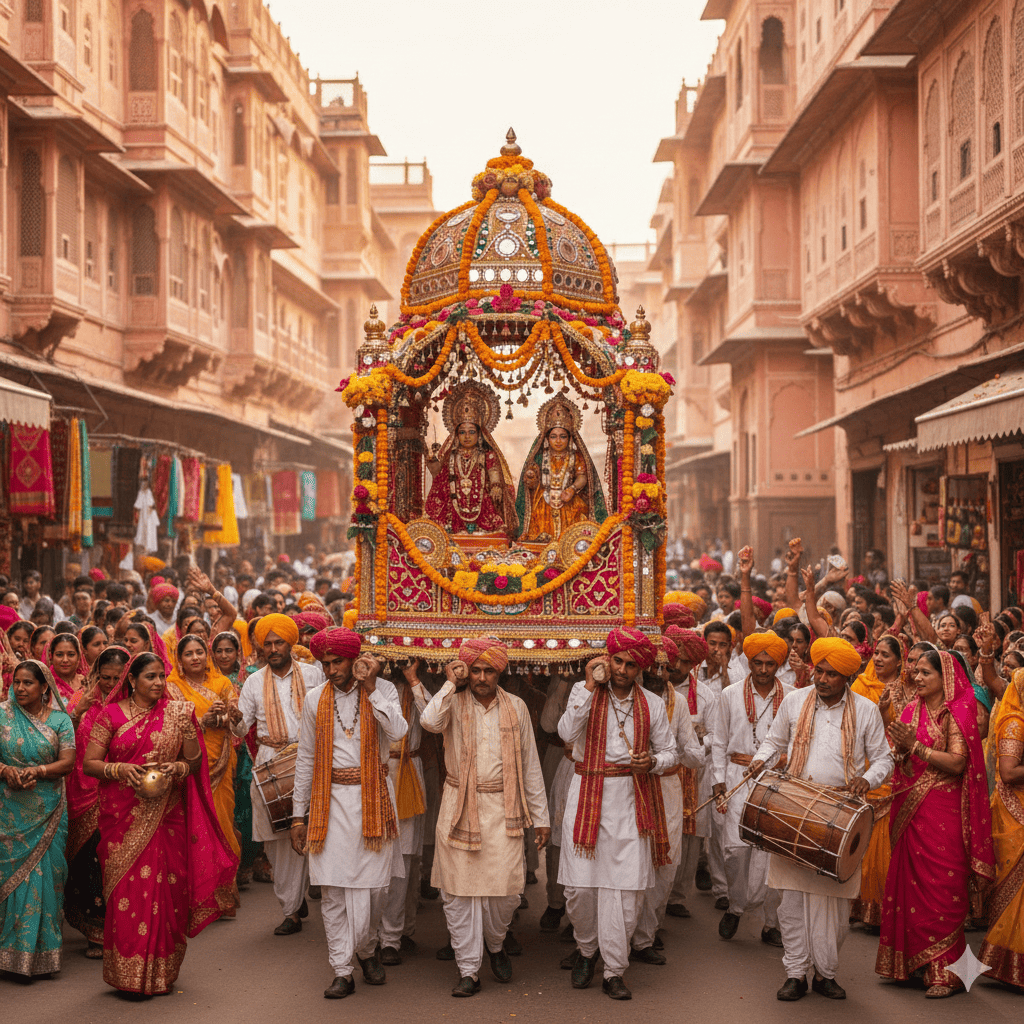
One of Jaipur's most significant cultural celebrations is Gangaur, typically observed in March-April. This festival, dedicated to Goddess Gauri (Parvati), is celebrated across Rajasthan with particular enthusiasm in Jaipur. The festival culminates in the grand Maharaja's Gangaur procession, where the royal family participates in festivities that have been maintained for centuries.
During Gangaur, women dress in traditional ghagra-cholis (traditional Rajasthani attire) and create elaborate terracotta figurines of Gauri and Shiva. The festival symbolizes prosperity, fertility, and the divine feminine energy within Rajasthani culture. Witnessing local women performing traditional Gangaur songs and dances provides authentic cultural immersion that cannot be replicated at any tourist attraction.
The public procession features decorated elephants, musicians playing traditional instruments, and hundreds of participants wearing colorful traditional attire. The atmosphere is electric with devotion, celebration, and cultural pride. Participating in or observing this festival offers deep cultural insights and exceptional photography opportunities that capture Jaipur's living traditions.
Teej: The Festival of Swings and Monsoon Celebration
Celebrated in July-August, Teej marks the arrival of monsoon and celebrates the union of Goddess Parvati with Lord Shiva. The festival derives its name from "Teej," which means the third day of the lunar month. Jaipur comes alive during this festival with women wearing green and yellow traditional attire, performing traditional folk dances, and swinging on decorated swings.
Traditional folk performances and music are integral to Teej celebrations. The most recognizable element is the ghoomar dance, a graceful circular dance performed in traditional costumes. If you're in Jaipur during Teej, many cultural organizations host public performances and celebrations where you can witness these traditions firsthand.
The festival reflects the deep connection between Rajasthani culture and nature, particularly the significance of monsoon rains for agriculture and life in the desert region. Understanding Teej provides cultural context for Jaipur's agricultural heritage and the profound relationship between tradition and environment.
Diwali: The Festival of Lights
Diwali, celebrated in October-November, is India's most significant festival, and Jaipur's celebrations are particularly grand. The entire city transforms during this festival—streets are decorated with lights, homes are adorned with rangoli (colorful floor designs), and markets bustle with shopping energy. The Jaipur Lighting Festival, launched by the government, has made Diwali celebrations even more spectacular with stunning light displays across the city.
Experiencing Diwali in Jaipur provides authentic insights into how India's most important festival is celebrated. The communal spirit, the preparation rituals, and the genuine joy that permeates the city during this period offer profound cultural experiences. Many homes welcome visitors to participate in Diwali preparations, prayers, and celebrations.
Holi: The Festival of Colors
Celebrated in March, Holi marks the arrival of spring and the triumph of good over evil. In Jaipur, Holi is celebrated with traditional folk music, colorful celebrations, and communal feasting. The festival provides wonderful opportunities to experience genuine Indian cultural warmth and hospitality.
Participate in playing with natural colors (though be aware that synthetic colors can be harmful; request natural, organic colors). The communal aspect of Holi—where social hierarchies temporarily dissolve and people from different backgrounds celebrate together—captures the essence of Rajasthani culture's egalitarian values.
Pushkar Camel Fair Proximity
While Pushkar Camel Fair occurs in the town of Pushkar (near Jaipur), it's accessible as an exciting day trip. Occurring in October-November, this fair combines commerce with spirituality, drawing traders, pilgrims, and tourists from across the world. The fair features thousands of camels, traditional markets, and cultural performances that showcase Rajasthani heritage.
The camel fair offers unique opportunities to understand rural Rajasthani culture, traditional animal husbandry, and the economic systems that sustain communities beyond urban centers. The spiritual dimension—with pilgrimages to sacred ghats and religious ceremonies—adds cultural depth to the experience.
Classical and Traditional Music Performances
Jaipur has a rich tradition of classical Indian music, particularly Hindustani classical music. The city hosts regular concerts and recitals where renowned musicians perform. Many venues, including heritage hotels and cultural centers, organize evening performances featuring sitar, tabla, and vocal renditions.
Attending a classical music performance provides deep aesthetic and cultural experiences. The improvisation, the mathematical precision underlying the raag (melodic framework), and the spiritual dimensions of classical music offer insights into Indian artistic philosophy that extend far beyond entertainment.
Kathak Dance Tradition
Kathak, a classical Indian dance form with strong Rajasthani roots, originated in Jaipur under royal patronage. The city has produced legendary Kathak dancers who have contributed significantly to the art form's evolution. Several dance schools and cultural organizations offer Kathak performances and classes for interested visitors.
Witnessing Kathak dance connects you to centuries of artistic tradition and the dance form's intricate technical vocabulary, narrative expressiveness, and spiritual dimensions. The graceful movements, rhythmic footwork, and emotional expressions in Kathak reflect the refinement of Rajasthani artistic sensibilities.
Traditional Crafts and Artisan Interactions
Beyond shopping in markets, genuine cultural experiences emerge from interacting directly with artisans and understanding their creative processes. Many craft studios welcome visitors to observe blue pottery creation, traditional textile dyeing, or lacquerware production. Watching skilled craftspeople work provides appreciation for the patience, precision, and artistic vision required to create these beautiful objects.
These interactions humanize cultural artifacts, transforming them from commercial products into expressions of artistic heritage and cultural identity. Speaking with artisans about their traditions, learning family histories connected to specific crafts, and understanding the economic and cultural challenges facing traditional crafts provides comprehensive cultural insights.
Spiritual Experiences: Temples and Sacred Spaces
Beyond being architecturally impressive, Jaipur's temples are active spiritual centers where rituals, prayers, and celebrations occur daily. Visiting temples during prayer times, particularly during festivals, provides authentic experiences of Hindu spiritual practices and devotional culture.
Govind Dev Ji Temple, Birla Mandir, and Jagat Shiromani Temple are significant spiritual centers where you can observe rituals, participate in prayers, and experience the profound role spirituality plays in Rajasthani daily life.
Food Culture and Culinary Traditions
Jaipur's food culture reflects the region's history, climate, and cultural influences. Traditional Rajasthani cuisine, characterized by vegetarian dishes, extensive use of spices, and preparation methods adapted to desert conditions, tells stories about the region's environment and people. Dining experiences, particularly home-cooked meals with local families, provide cultural authenticity that restaurants cannot replicate.
Street food experiences—sampling gur-tila (jaggery and sesame), dal-baati-churma, and other local specialties—connect you to everyday Rajasthani food culture beyond formal meal settings.
Heritage Hotels and Cultural Stays
Several heritage hotels in Jaipur, converted from royal palaces or traditional havelis, offer immersive cultural experiences. These accommodations provide insights into how historical spaces have been preserved and adapted for contemporary use while maintaining cultural authenticity.
Many heritage hotels organize cultural programs, traditional meals, and guided experiences that enhance guest understanding of local culture.
Timing Your Cultural Visits
Plan your Jaipur visit around festivals if possible. Each festival offers unique cultural immersion opportunities and displays of traditional practices often relegated to specific seasonal occasions. Consult lunar calendars to determine festival dates, as many are observed according to the Hindu lunar calendar rather than the Gregorian calendar.
Even outside festival seasons, regular cultural performances and temple celebrations provide opportunities for cultural engagement. Ask your hotel about ongoing cultural events or check tourism websites for current schedules.
Respectful Cultural Engagement
When participating in cultural experiences, approach traditions with genuine respect and curiosity. Ask permission before photographing religious ceremonies, dress modestly when visiting temples, and follow local protocols. Recognize that these are living traditions with deep spiritual and cultural significance, not performances designed for tourist entertainment.
Connecting Culture to Heritage
Understanding Jaipur's cultural practices enriches appreciation for its heritage sites. Review City Palace & Heritage Sites with awareness of how historical monuments served cultural and spiritual functions. Similarly, explore Markets & Shopping with understanding of how traditional crafts embody cultural values and artistic heritage.
Day Trips with Cultural Focus
Nearby destinations offer additional cultural experiences. Consider exploring Day Trips from Jaipur to visit villages maintaining traditional crafts or temples with significant spiritual importance, extending your cultural immersion beyond urban centers.
Conclusion
Jaipur's cultural richness extends far beyond visible attractions. The festivals, art forms, spiritual practices, and daily customs constitute a living culture that continues to evolve while maintaining connection to centuries-old traditions. Engaging genuinely with these cultural elements transforms your Jaipur experience from tourist observation into participant immersion.
The most meaningful travel experiences emerge not from ticking off attraction lists but from connecting authentically with people, understanding their values and traditions, and recognizing shared humanity beneath cultural differences. Jaipur's vibrant cultural landscape provides endless opportunities for such authentic connections if you approach the city with curiosity, respect, and openness.