Jaipur, fondly known as the "Pink City," is a treasure trove of historical monuments and architectural marvels that tell the story of Rajasthan's royal past. The City Palace stands at the heart of Jaipur's heritage, representing a fascinating blend of Mughal and Western architecture. If you're planning a trip to Jaipur and want to immerse yourself in its rich cultural heritage, this guide will help you explore the most iconic historical sites that define the city's identity.
The Magnificent City Palace: Where History Lives
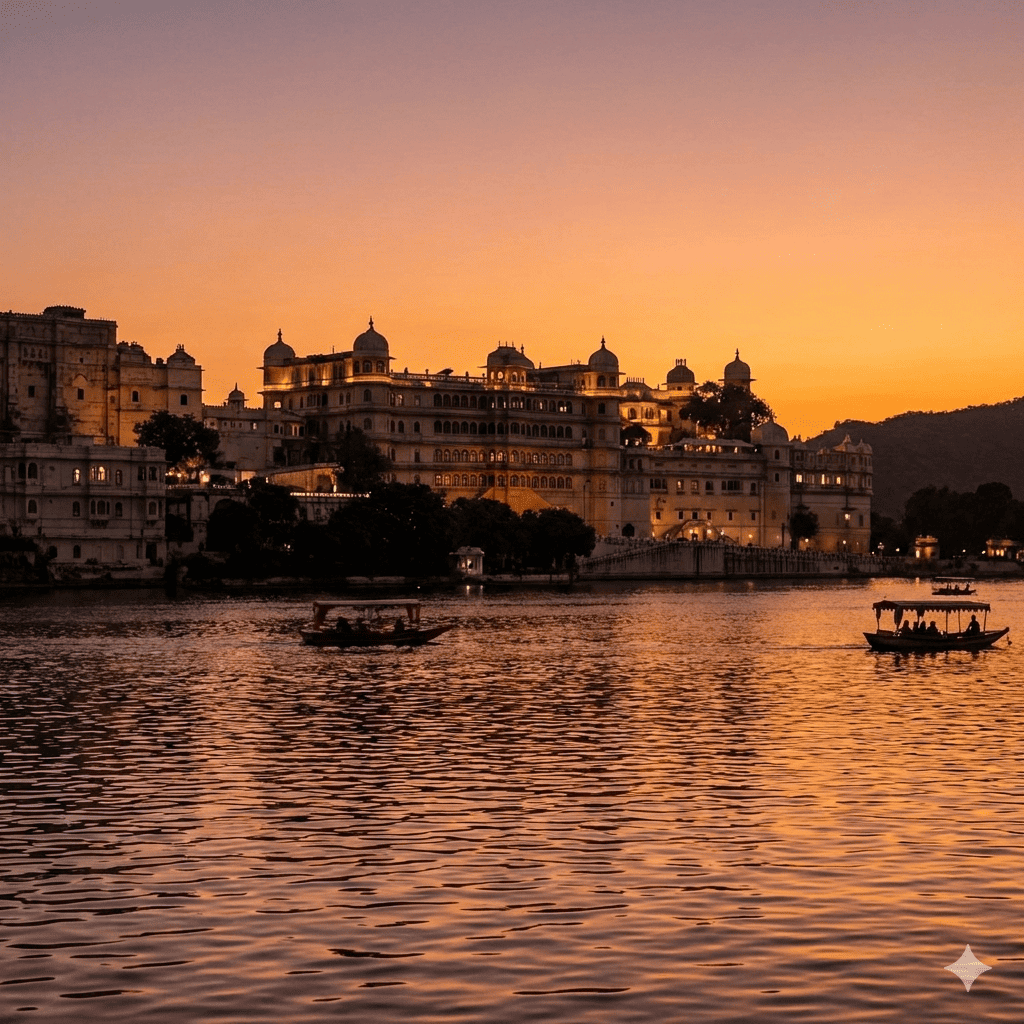
The City Palace is undoubtedly Jaipur's most iconic structure and the epitome of royal grandeur. Built in 1729 by Maharaja Sawai Jai Singh II, this palace still retains its majestic charm and serves as a symbol of the city's glorious past. What makes the City Palace unique is its architectural brilliance—it seamlessly combines traditional Rajasthani architecture with Mughal and Western influences, creating a structure that's truly one-of-a-kind.
The palace remains partially a royal residence and partially a museum, allowing visitors to catch glimpses of how Jaipur's royalty lived. The intricate carvings, stunning courtyards, and ornate doorways showcase exceptional craftsmanship that has survived centuries. When visiting, you'll notice the careful attention to detail in every corner, from the intricately designed windows (jalis) to the beautifully painted walls. Many tourists consider the City Palace visit incomplete without exploring its museum section, which displays vintage weapons, royal garments, and historical artifacts.
The best time to visit the City Palace is early morning or late afternoon when the light beautifully illuminates the pink-colored walls, creating stunning photo opportunities. Entry fees are reasonable, and guided tours are available to provide deeper insights into the palace's history and significance.
Jantar Mantar: An Astronomical Marvel
Just a short walk from the City Palace lies Jantar Mantar, a UNESCO World Heritage Site that showcases the scientific brilliance of Maharaja Sawai Jai Singh II. Built in 1734, this astronomical observation site is one of the five Jantar Mantars in India and the best-preserved among them.
Jantar Mantar comprises 19 architectural astronomical instruments made from stone and marble. Each instrument was designed to measure time, predict eclipses, and track celestial bodies with remarkable accuracy. The precision of these ancient instruments is truly astonishing—they were accurate to within seconds, which is incredible considering they were built without modern technology.
The most impressive structures include the Samrat Yantra (the largest sundial in the world), the Ram Yantra, and the Chakra Yantra. Walking through Jantar Mantar feels like stepping into the pages of history, where science and art intersect beautifully. The site is comparatively less crowded than other Jaipur attractions, making it an ideal spot for those seeking a more intimate connection with the city's heritage. It's also perfect for photography enthusiasts who want to capture unique architectural elements against the sky.
Hawa Mahal: The Pink City's Most Iconic Symbol
No visit to Jaipur is complete without seeing the Hawa Mahal (Palace of Winds). This five-story pink structure, built in 1799, is perhaps the most photographed monument in Jaipur and serves as the city's architectural signature. The unique honeycomb-like structure with 953 small windows was ingeniously designed to allow royal women to observe street life and festivals without being seen—a brilliant example of both aesthetic design and practical innovation.
The Hawa Mahal's distinctive pyramid shape and intricate latticed windows (jalis) make it an architectural marvel. The structure's salmon-pink color, which gave Jaipur its famous nickname, creates a stunning visual impact, especially during golden hour when sunlight bathes the monument in warm hues. While the interior isn't particularly spacious, the exterior view and the experience of being in its presence are unforgettable.
Pro tip for photography lovers: Visit early morning to avoid crowds and capture the monument in soft morning light. The best angle is from the street below, where you can capture the entire structure in one frame.
Albert Hall Museum: Preserving Jaipur's Heritage
Located in Ram Niwas Garden, the Albert Hall Museum is Jaipur's oldest museum, named after Prince Albert, the husband of Queen Victoria. This stunning Indo-Saracenic structure houses an impressive collection of artifacts, including paintings, sculptures, ceramics, and ancient manuscripts that chronicle Jaipur's royal history.
The museum's architecture itself is worth admiring, with its domed ceiling and ornate decorations. The collection provides valuable insights into the lifestyle, art, and culture of Jaipur's ruling classes. Regular visitors appreciate the museum for its quiet ambiance and well-curated exhibits that are often less crowded than other tourist attractions in the city.
Exploring the Walled City: Streets of Heritage
The old walled city of Jaipur, designed on the principles of Vastu Shastra and Shilpa Shastra (ancient Indian architectural texts), is a fascinating place to explore on foot. The grid pattern of streets, the carefully planned bazaars, and the historic havelis (mansions) showcase the urban planning genius of Maharaja Jai Singh II.
Walking through the narrow lanes, you'll encounter beautiful carved doors, traditional architecture, and the vibrant pulse of Jaipur's everyday life. Each street has its own character and history—from Johari Bazaar to Bapu Bazaar, these areas are treasure troves for those interested in experiencing authentic Jaipur beyond the major monuments.
Heritage Walking Tours: Guided Exploration
For a deeper understanding of Jaipur's historical significance, consider taking a heritage walking tour. Expert guides can provide context, historical anecdotes, and lesser-known facts about the monuments that enriches your experience. These tours typically start from the City Palace area and cover multiple sites in a single itinerary.
Planning Your Heritage Visit
When planning your visit to Jaipur's heritage sites, allocate at least 2-3 days to explore comfortably. Combine your heritage exploration with visits to Photography Spots for Instagram in Jaipur to capture stunning moments, and don't miss Local Markets & Shopping where you can pick up authentic Rajasthani artifacts.
The City Palace and Jantar Mantar are open year-round, but the best visiting period is October to March when the weather is pleasant. Wear comfortable shoes, carry water, and apply sunscreen as these sites involve considerable walking.
Conclusion
Jaipur's historical monuments are not merely tourist attractions—they are living testimonies to the brilliance of Rajasthani architecture and the vision of its rulers. The City Palace, Jantar Mantar, and Hawa Mahal collectively tell a story of a city that seamlessly blended aesthetics with functionality, tradition with innovation. Whether you're a history enthusiast, architecture lover, or simply a curious traveler, Jaipur's heritage sites offer an enriching experience that connects you to centuries of royal grandeur and architectural excellence.