Jaipur's distinctive pink architecture, vibrant culture, and historical monuments make it one of India's most photographically compelling cities. Whether you're an aspiring content creator, professional photographer, or simply someone who loves capturing memories, Jaipur offers endless opportunities for stunning photography. This guide explores the best spots where you can create Instagram-worthy content while appreciating the city's authentic beauty.
Hawa Mahal: The Iconic Pink Palace
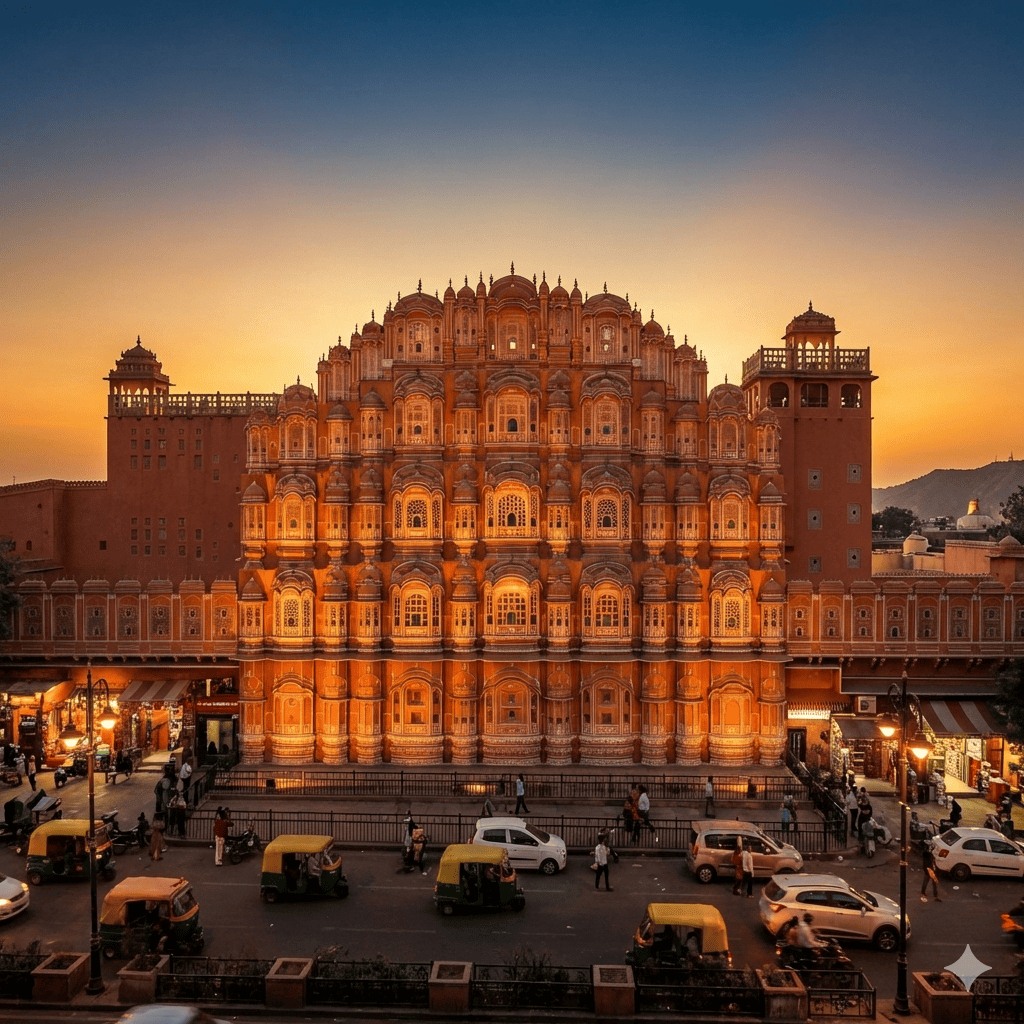
Hawa Mahal (Palace of Winds) is undoubtedly Jaipur's most photographed monument and for good reason. This five-story pink structure, with its distinctive honeycomb architecture, creates visually striking images from almost any angle. The monument's salmon-pink color, especially when illuminated by morning or evening light, produces photographs with warm, inviting tones that perform exceptionally well on Instagram.
For the best photography experience, arrive before 7 AM to capture the palace bathed in golden morning light with minimal crowd interference. The street below offers several vantage points; position yourself to capture the entire structure or zoom in on the intricate latticed windows (jalis) for close-up detail shots. The reflection from puddles after rainfall or the symmetry of the window patterns can create compelling compositions.
During sunset (around 5-6 PM), the monument takes on an entirely different character with longer shadows and dramatic lighting. Golden hour photography here produces some of Jaipur's most breathtaking images. However, crowds are dense during this time, so arrive early to secure good positioning.
Pro tip: Include local life in your photographs—vendors, street dogs, or passing bicycles add authenticity and narrative depth to your images, making them more engaging than sterile architectural shots.
City Palace: Grandeur and Detail
The City Palace offers diverse photography opportunities due to its vast expanse and architectural variety. The exterior courtyards present grand vistas with intricate carvings and ornate doorways. The interplay of light and shadow on the palace's pink walls creates dramatic contrasts, especially in the afternoon when sunlight hits the walls at specific angles.
The palace's interior courtyards, accessible to visitors, reveal intricate details—carved pillars, traditional jalis, and decorative elements that make excellent subjects for macro and detail photography. The museum section displays royal artifacts and weapons that photograph exceptionally well in controlled indoor lighting.
For comprehensive visual coverage, photograph the palace during different times of day. Early morning provides soft, directional light that highlights textures and details. Midday light creates strong shadows that can be used compositionally. Late afternoon offers warm, flattering light that's ideal for portraiture against the palace backdrop.
Photography restrictions may apply in certain areas; always inquire before taking pictures and respect any designated no-photography zones.
Jantar Mantar: Geometric Precision and Science
Jantar Mantar's astronomical instruments present unique photography opportunities due to their geometric precision and sculptural quality. The various instruments—Samrat Yantra, Ram Yantra, and Chakra Yantra—create interesting compositional elements with their forms and shadows. The site's relatively lower visitor volume compared to other monuments makes it ideal for thoughtful composition without excessive crowd management.
The instruments' abstract geometric forms photograph beautifully in black and white, emphasizing their architectural precision. During specific times of day, sunlight creates striking shadows that emphasize the instruments' three-dimensional quality. Photograph the structures from different heights and angles to reveal different perspectives and proportions.
Early morning or late afternoon visits coincide with optimal lighting conditions when sunlight rakes across the monuments' surfaces, creating dramatic three-dimensionality in photographs.
Govind Dev Ji Temple: Spiritual Atmosphere
Located within the City Palace complex, Govind Dev Ji Temple offers unique photography opportunities combining religious architecture with cultural ambiance. The temple's ornate decorations, particularly during festivals, provide vibrant color palettes and cultural richness that translate beautifully into photographs.
The devotional atmosphere and architectural details create opportunities for both documentary-style photography and artistic compositions. Photograph the temple's intricate details, the play of light through windows, and the spiritual energy of devotees in prayer. However, be respectful of the sacred space—always ask permission before photographing people or sensitive religious moments.
Street Markets and Bazaars: Authentic Life
Jaipur's markets—particularly Johari Bazaar, Bapu Bazaar, and Nehru Bazaar—offer incredible opportunities for street and lifestyle photography. The vibrant colors of textiles, the intricate details of jewelry, and the energetic human interactions create authentic, compelling images that capture Jaipur's living culture.
Early morning before crowds build presents the best conditions for capturing both street scenes and intimate portraits. The narrow lanes create natural framing, and the interplay of light and shadow in these confined spaces produces atmospheric photographs. Photograph vendors at work, detailed shots of merchandise, and the genuine expressions of people going about their daily lives.
Street photography captures Jaipur's authentic character in ways that monument photography cannot. These images often resonate more deeply with audiences because they tell human stories rather than merely documenting architecture.
Ram Niwas Garden and Albert Hall Museum
The sprawling Ram Niwas Garden provides expansive landscape photography opportunities, particularly during sunrise or sunset. The garden's symmetrical layout, diverse flora, and the Albert Hall Museum's stunning architecture create picturesque compositions. The museum's Indo-Saracenic architecture, especially its domed ceiling, photographs beautifully.
The gardens are relatively peaceful, offering opportunities to work on compositions without excessive crowd interference. Photograph the museum through the garden's trees and foliage, creating layered depth in images. Botanical details—flowers, birds, and architectural elements framed by vegetation—add variety to your photograph portfolio.
Masala Chowk: Vibrant Street Culture
Masala Chowk is an intersection in the old city known for its incredibly vibrant atmosphere, street food vendors, and authentic street culture. The convergence of lanes creates interesting compositional opportunities, and the constant activity provides numerous photography subjects. The colorful food stalls, engaged vendors, and diverse people create rich cultural imagery.
Best visited during late afternoon when lighting becomes warm and directive, Masala Chowk offers opportunities to photograph authentic Jaipur beyond tourist circuits. The sensory experience of the place—colors, patterns, textures—makes for visually engaging photographs that capture Jaipur's vibrant essence.
Albert Hall Museum Architecture
The Albert Hall Museum's Indo-Saracenic architecture deserves dedicated photography attention. The structure's domed ceiling, ornate decorations, and symmetrical design create compelling architectural photography opportunities. Photograph the building's exterior during different times of day to capture varying light conditions. The interior dome, with its intricate painted details, creates spectacular overhead shots.
The building's location within Ram Niwas Garden provides opportunities to photograph the museum framed by garden elements, creating composed architectural images with natural context.
Sunrise and Sunset Photography Locations
For optimal sunrise and sunset photography, position yourself at elevated locations like hotel rooftops or upper-story vantage points that overlook the pink city's sprawl. Suraj Pol (Sun Gate) area provides authentic city views. These perspectives, combined with dramatic sky colors during golden hour, create compelling cityscape photography.
Photography Ethics and Cultural Sensitivity
When photographing in Jaipur, be respectful of local culture and people's privacy. Always ask permission before photographing individuals, particularly women or people engaged in intimate moments. Respect religious sites and cultural practices. Photograph to appreciate and share beauty rather than to exploit or mock cultural elements.
Combining Photography with Heritage Exploration
Make your photography visits part of comprehensive Jaipur exploration. Understand the historical and cultural significance of locations you photograph—this knowledge improves your photography by adding meaningful context. Review City Palace & Heritage Sites to combine historical learning with photography opportunities, and explore Cultural Experiences and Festivals in Jaipur for optimal timing during culturally significant events.
Photography Equipment and Practical Tips
While modern smartphone cameras are excellent, a dedicated camera with versatile lens options provides more creative control. Bring a tripod for stability and creative framing. Polarizing filters enhance color saturation and reduce glare. Neutral density filters enable long-exposure photography during bright daylight hours.
Always carry backup batteries, memory cards, and a lens cleaning kit. Stay hydrated and use sun protection—Jaipur's intensity can be deceptive during extended photography sessions.
Conclusion
Jaipur's photographic appeal extends far beyond its famous pink monuments. The city's rich architectural heritage, vibrant street culture, and distinctive atmosphere create comprehensive opportunities for photographers of all skill levels. Success in Jaipur photography comes from combining iconic landmarks with authentic street scenes, morning golden hour with dramatic sunset lighting, and architectural precision with human-centered documentary photography.
The most memorable photographs from Jaipur will likely be those capturing the intersection of history and living culture—where ancient monuments exist alongside contemporary life, where tradition persists within modern urban rhythms, and where timeless architectural beauty meets the authentic human experience.